Basics
Tier List vs. Ranked List: Which Should You Use?
Ranked lists give every item an exact position; tier lists group similar items. Here’s when each format works best.
By List Tier Maker Team Published
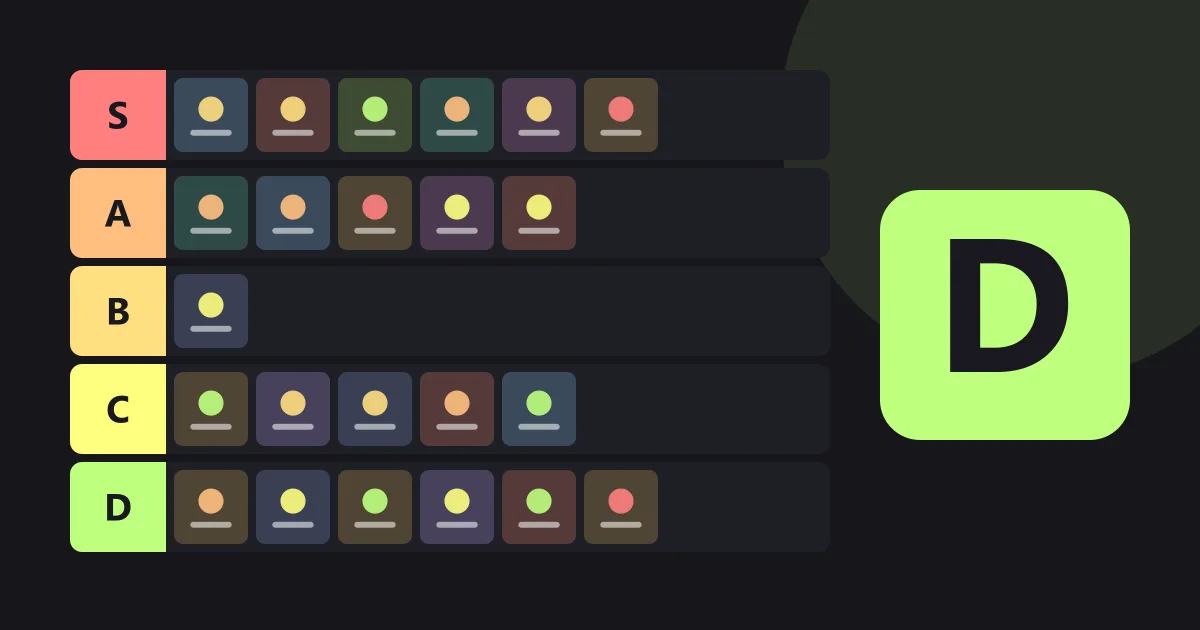
Both formats rank things, but they answer slightly different questions. A ranked list asks “what is the exact order?”. A tier list asks “which things are about as good as each other?”.
When a ranked list is better
- Short lists. A top five or top ten is easy to order precisely, and readers expect a number one.
- Clear measurements. If you’re ranking by something objective — price, speed, release date — exact positions make sense.
- Picking a single winner. If the goal is “which one should I choose?”, a strict order gets you there.
When a tier list is better
- Long lists. Ordering 40 items one by one is tiring and arbitrary. Grouping them is quicker and often more honest.
- Close calls. When several items are genuinely similar, a tier lets them share a level instead of inventing a difference.
- Opinions and taste. Food, films, music and games are subjective. Tiers communicate the broad verdict without pretending to be precise.
- Sharing visually. A tier list image is easy to read at a glance, which is why the format spreads so well online.
Getting the best of both
You don’t have to choose completely. Inside each tier, arrange items from left to right with your favorite first. Readers get the overall grouping from the tiers and your finer preferences from the order — without you having to defend every single position.
A quick rule of thumb
If your list has more than about ten items, or the differences between items are small, use a tier list. If it’s short and you need a clear winner, use a ranked list.
Ready to try the tier approach? Open the tier list maker and start grouping.